Decorative Carving Wood Banner: A Timeless Element for Elegant Design
The Decorative Carving Wood Banner is more than just a visual accent; it's a powerful design element that can elevate the aesthetic of any project, from wedding invitations to corporate presentations. This unique piece combines traditional craftsmanship with modern design sensibilities, offering a sophisticated touch that can be seamlessly integrated into various creative and business workflows.
Understanding the Role of Decorative Carving Wood Banner in Design Processes
In the realm of graphic design, print media, and event planning, the Decorative Carving Wood Banner serves as a key component that enhances the overall visual appeal. Whether used as a backdrop, header, or standalone artwork, its intricate patterns and natural textures bring a sense of depth and authenticity to any layout. This makes it particularly valuable in industries such as marketing, advertising, and hospitality, where visual storytelling plays a crucial role.
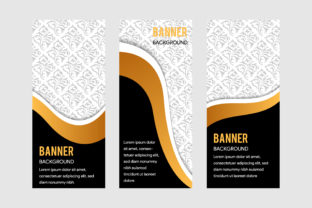
For professionals involved in creating brochures, leaflets, or promotional materials, the Decorative Carving Wood Banner offers a way to introduce a tactile and artistic dimension. Its presence can make a design feel more refined and intentional, especially when paired with elements like silver texture ornaments or vintage vertical cards. This combination not only adds visual interest but also reinforces a theme of luxury and sophistication.
Integrating Decorative Carving Wood Banner into Creative Workflows
When planning a design project, the Decorative Carving Wood Banner can be incorporated at multiple stages. During the initial concept phase, it can serve as inspiration for color schemes, typography choices, or layout structures. For example, a designer working on a wedding invitation might use the banner as a reference point for selecting fonts that mirror its ornate details or choosing paper textures that complement its wood grain.
During the execution phase, the banner can act as a guiding element for maintaining consistency across different design assets. If a brand is launching a new line of products, the banner’s pattern and style can be adapted into logos, packaging, or digital interfaces, ensuring a cohesive visual identity. This approach helps in reinforcing brand recognition while adding an element of uniqueness that sets the work apart.
After the design is finalized, the Decorative Carving Wood Banner can still play a role in quality control and presentation. It can be used as a benchmark to assess whether all design elements align with the intended aesthetic. For instance, a marketing team preparing a campaign might review their materials against the banner to ensure that the overall look remains elegant and consistent.
Practical Applications Across Industries
The versatility of the Decorative Carving Wood Banner makes it applicable in a wide range of fields. In the hospitality sector, it can be used as part of a hotel’s branding or as a decorative element in event spaces. For educators or trainers, it can serve as a visual aid in presentations, helping to illustrate concepts related to history, art, or design principles.
Entrepreneurs and small business owners can leverage the banner to enhance their branding efforts. By incorporating it into business cards, website headers, or product packaging, they can create a memorable and professional image that resonates with their target audience. This is especially effective for businesses that emphasize craftsmanship, heritage, or artisanal values.
In the digital space, the banner can be adapted into vector graphics or high-resolution images that are suitable for web use. This allows designers to maintain the integrity of the original design while ensuring it is optimized for different platforms and devices. When used as a background or header on a website, it can add a touch of elegance that enhances user experience without overwhelming the content.
Factors to Consider When Using Decorative Carving Wood Banner
To maximize the effectiveness of the Decorative Carving Wood Banner, it's important to consider several factors. First, the compatibility of the design with the overall project must be assessed. For example, if the banner features a complex geometric pattern, it should be balanced with simpler elements to avoid visual clutter. This ensures that the design remains functional and easy to navigate, especially in print or digital formats.
Usability is another key consideration. While the banner may be visually appealing, it should not compromise the readability or accessibility of the content it accompanies. This means that designers should carefully choose font sizes, colors, and placement to ensure that the message remains clear and engaging.
Organization and efficiency also play a role in how the banner is implemented. For teams working on large-scale projects, it may be beneficial to establish guidelines for using the banner across different assets. This could include specifying the appropriate file formats, dimensions, and placement rules to maintain consistency throughout the workflow.
Long-Term Use and Maintenance
When integrating the Decorative Carving Wood Banner into long-term projects, it's essential to plan for its continued use and maintenance. For physical versions, this may involve proper storage, handling, and restoration techniques to preserve its quality over time. Digital versions, on the other hand, require regular updates and backups to ensure they remain accessible and compatible with evolving design tools and platforms.
Additionally, staying informed about design trends and technological advancements can help in keeping the banner relevant. As new styles emerge, the banner can be reinterpreted or modified to align with contemporary aesthetics while retaining its core characteristics. This adaptability ensures that it remains a valuable asset in both current and future projects.
Conclusion: Elevating Design with Purpose and Precision
The Decorative Carving Wood Banner is more than just a decorative feature—it's a strategic tool that can enhance the visual impact of any design project. By understanding its role in the broader creative process and considering practical implementation strategies, professionals can effectively integrate it into their workflows. Whether used in print, digital, or hybrid formats, its ability to combine tradition with innovation makes it a valuable addition to any design repertoire.