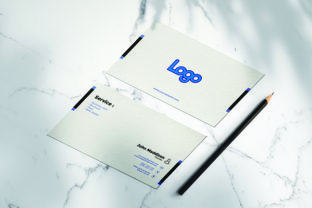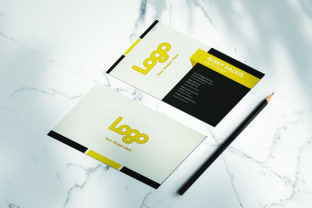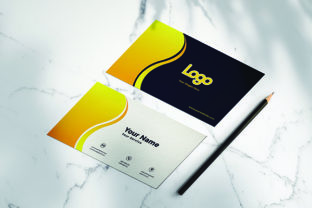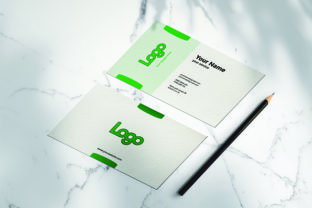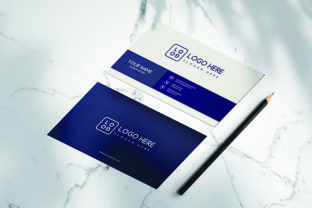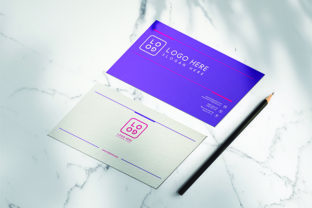
Template Business Card Design - Simple
For professionals and entrepreneurs looking to make a lasting impression, a well-designed business card is more than just a piece of paper—it's a powerful marketing tool. The Template Business Card Design - Simple offers a clean, modern approach that emphasizes clarity and elegance. This minimalist design is ideal for those who want to stand out without overcomplicating their message.
Why Choose a Simple Business Card Design?
A simple business card design focuses on essential elements: name, title, contact information, and a subtle visual identity. It avoids unnecessary graphics, excessive text, or complex layouts. This approach ensures that the most important details are immediately visible and easy to read.
Many people assume that simplicity means boring, but the opposite is often true. A minimalist design can be striking when executed well. It conveys professionalism, confidence, and attention to detail—qualities that resonate with clients and colleagues alike.
Common Mistakes in Choosing a Simple Business Card
Despite its apparent ease, creating a successful Template Business Card Design - Simple requires careful consideration. Here are some common mistakes to avoid:
- Ignoring the target audience: A design that works for a tech startup may not suit a law firm. Understanding your audience helps you choose the right tone, colors, and layout.
- Overlooking file formats: Not all templates are created equal. Some may lack the necessary file types for printing, like CMYK or 300 DPI, which can lead to poor print quality.
- Choosing the wrong size: Standard sizes like 2x3.5 inches or 3.5x2 inches are widely used, but they must match your brand’s needs. A landscape layout might not work for all industries.
- Using low-quality fonts: Free fonts can be tempting, but they may not look professional. Always choose high-quality, readable typefaces that align with your brand image.
How Mistakes Affect Results
Mistakes in business card design can have real consequences. For example, a poorly formatted template might result in blurry prints, making your contact information hard to read. This can damage your credibility and reduce the chances of follow-up communication.
Additionally, an unprofessional design may signal to potential clients that your business lacks attention to detail. In a competitive market, first impressions matter, and a poorly designed card can cost you opportunities.
Practical Advice for Better Choices
To ensure your Template Business Card Design - Simple meets your needs, consider the following tips:
- Review the file specifications: Check that the template includes PSD, AI, and PDF files. These formats offer flexibility for editing and printing.
- Test the layout: Before finalizing, preview the design in different sizes and orientations. Make sure it looks good in both digital and physical formats.
- Customize with care: While templates are easy to modify, avoid cluttering the design. Keep the layout open and focused on key information.
- Print a sample: Always request a printed sample to check color accuracy, texture, and overall quality. This step can prevent costly errors later.
What to Check Before Using the Template
Before downloading or purchasing a Template Business Card Design - Simple, take the time to evaluate the following:
- Compatibility: Ensure the template works with your design software, such as Adobe Photoshop CS6 or Illustrator.
- Customization options: Look for layered files that allow easy editing of text, colors, and images.
- Print readiness: Confirm that the template is set up for print with the correct resolution (300 DPI) and color mode (CMYK).
- Support and updates: Some templates come with support or future updates. This can be valuable if you need assistance or want to keep your design current.
Realistic Examples of Better Approaches
Consider these examples of how to apply the Template Business Card Design - Simple effectively:
- Minimalist branding: Use a single color and a bold, readable font. Add a small icon or symbol that represents your industry, like a camera for a photographer or a pen for a writer.
- Whitespace is your friend: Don’t feel pressured to fill every inch of the card. Leaving space around text and graphics makes the design feel more refined and easier to read.
- Focus on readability: Avoid small fonts or overly decorative typefaces. Your contact information should be clear and easy to scan at a glance.
Final Thoughts
The Template Business Card Design - Simple is a smart choice for anyone looking to create a professional, effective business card. By avoiding common pitfalls and focusing on practical design choices, you can ensure your card makes a strong impression. Whether you're a freelancer, entrepreneur, or small business owner, a well-crafted business card can help you stand out in a crowded marketplace.