Glitter Photo Overlays and Blowing Textures for Creative Expression
Glitter photo overlays and blowing textures offer a versatile way to enhance visual storytelling across various creative fields. These digital assets, often in high-resolution JPEG format, provide a range of effects that can transform ordinary images into visually stunning compositions. Whether you're a professional photographer, a graphic designer, or a hobbyist, these overlays can add a touch of magic to your projects.
The use of glitter photo overlays extends beyond just adding sparkle. They can be used to create depth, highlight specific areas of an image, or introduce a sense of movement and energy. Blowing textures, on the other hand, bring a dynamic feel to photographs, making them ideal for capturing moments of motion or emotion. Together, they form a powerful toolkit for anyone looking to elevate their visual content.
Understanding the Components of Glitter Photo Overlays
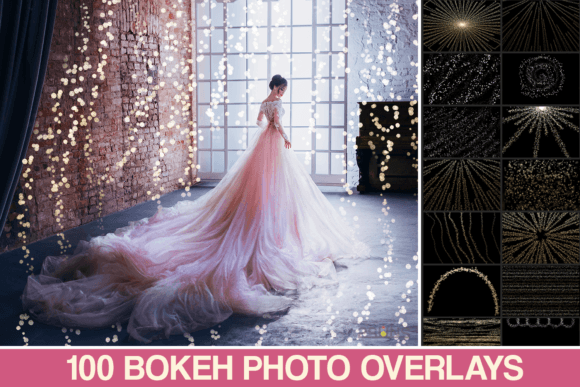
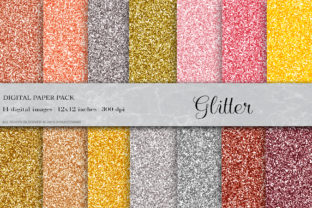
Glitter photo overlays typically consist of small, reflective particles that mimic the appearance of real glitter. These elements are often layered over an image to create a luminous effect. The overlays come in various styles, including confetti, fairy dust, and sparkle, each offering a unique aesthetic. When applied correctly, they can make an image appear more vibrant and engaging.
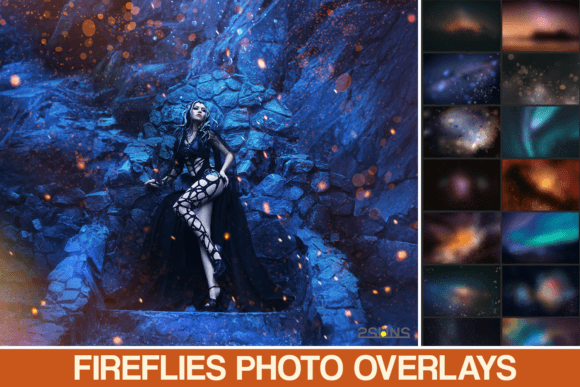
Blowing textures, meanwhile, simulate the movement of particles in the air. These textures can be used to suggest wind, motion, or a sense of playfulness within a composition. By combining these elements, creators can craft images that evoke a range of emotions and moods, from joy and celebration to mystery and wonder.
Applications of Glitter Photo Overlays and Blowing Textures
The versatility of glitter photo overlays and blowing textures makes them suitable for a wide range of applications. In photography, they can be used to enhance portraits, landscapes, and event shots. For instance, during a Christmas wedding, these overlays can add a festive touch, making the images more memorable and visually appealing.
In scrapbooking and design projects, these overlays can serve as background elements or decorative accents. They can be used to create a cohesive theme or to add a pop of color and texture. For greeting cards, business cards, and album covers, the overlays can help differentiate a design and make it stand out in a crowded market.
Additionally, these overlays are useful in printables and handmade art works. They can be incorporated into DIY projects, such as custom calendars, invitations, and collages. Their high-resolution format ensures that they maintain clarity and detail, even when printed at large sizes.
Benefits of Using High-Resolution JPEG Overlays
High-resolution JPEG overlays, such as those measuring 6000x4000px at 300dpi, offer several advantages. They provide sharp details and clear textures, ensuring that the final output looks professional. This level of quality is essential for both digital and print applications, where clarity and precision are crucial.
Moreover, these overlays are compatible with most popular graphics programs, making them accessible to a wide range of users. Whether you're using Photoshop, Illustrator, or another design software, you can easily integrate these elements into your workflow. The process is straightforward—simply select a suitable overlay and drag it onto your image.
The ability to customize and manipulate these overlays allows for greater creative freedom. Users can adjust the opacity, size, and position of the overlays to achieve the desired effect. This flexibility makes them a valuable resource for anyone looking to experiment with different visual styles.
Use Cases and Practical Examples
One practical use case for glitter photo overlays is in studio shoots. For example, during a newborn session, adding a subtle layer of glitter can create a soft, magical atmosphere. Similarly, for Valentine’s Day photos, overlays can enhance the romantic mood and add a touch of elegance.
Another application is in large-scale works, such as murals or banners. These overlays can be used to add visual interest and draw attention to key elements. They can also be used to create a sense of movement or energy, making the design more dynamic and engaging.
In smaller images, such as social media posts or website headers, glitter photo overlays can add a unique flair. They can be used to highlight text, create a focal point, or simply add a sense of fun and creativity. The same applies to greeting cards and invitations, where the overlays can enhance the overall design and make it more eye-catching.
Considerations When Choosing Overlays
When selecting glitter photo overlays and blowing textures, it's important to consider the intended use and the overall aesthetic of the project. Different overlays may be more suitable for certain themes or styles. For instance, a Christmas-themed overlay might include elements like snowflakes or stars, while a more modern design might feature abstract shapes and colors.
It's also essential to ensure that the overlays are of high quality and resolution. Lower-quality overlays may appear pixelated or blurry, which can detract from the overall look of the image. Additionally, users should check the compatibility of the overlays with their preferred design software to avoid any technical issues.
Finally, considering the licensing and usage rights of the overlays is crucial. Some overlays may require attribution or have restrictions on commercial use. Understanding these terms can help prevent legal complications and ensure that the overlays are used appropriately.
By incorporating glitter photo overlays and blowing textures into their work, creators can add a new dimension to their visual storytelling. These elements not only enhance the aesthetics of an image but also allow for greater creativity and expression. Whether used for personal projects or professional designs, they offer a powerful way to elevate visual content and engage audiences.