Business Cards: A Practical Guide to Choosing the Right Option
In today's digital age, business cards remain a powerful tool for professionals looking to make a lasting impression. Whether you're starting a new business or expanding your network, understanding what business cards are and how they can benefit you is essential. This article explores the value of business cards, particularly those with a textured background, and provides insights to help you make an informed decision.
What Are Business Cards?
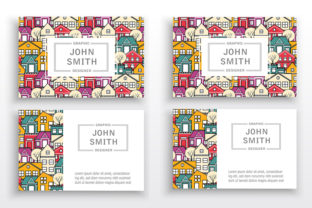
Business cards are small printed cards that contain contact information about an individual or organization. Typically made of cardstock, they serve as a physical representation of a professional's identity. The design, materials, and presentation of a business card can significantly impact how others perceive you and your brand.
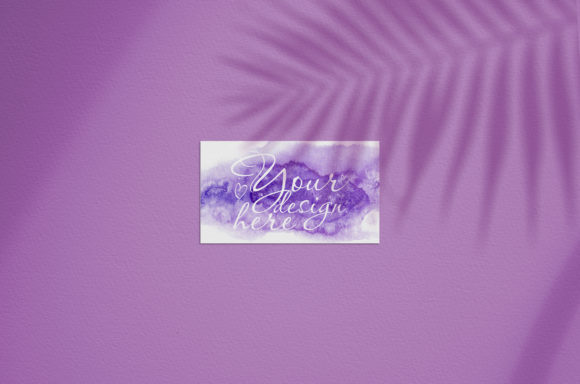
Modern business cards come in various shapes, sizes, and materials. One popular variation is the textured business card, which adds a tactile element to the design. This texture can be achieved through embossing, foil stamping, or using special paper finishes. These features not only enhance visual appeal but also create a memorable experience for the recipient.
Why Consider Business Cards?
There are several reasons why someone might choose to use business cards. For starters, they provide a quick and convenient way to share contact details during face-to-face interactions. In situations where digital communication may not be possible, a business card ensures that your information is readily available.
Additionally, business cards can reinforce brand identity. A well-designed card reflects professionalism and attention to detail. When paired with a textured background, the card becomes more than just a piece of paper—it becomes a statement of quality and craftsmanship.
Benefits of Textured Business Cards
Textured business cards offer unique advantages that set them apart from standard options. The tactile experience of a textured card can leave a stronger impression on recipients. This is especially valuable in industries where first impressions matter, such as fashion, design, or luxury services.
Another benefit is the ability to stand out in a crowded market. With so many digital alternatives available, a physical card with a distinctive texture can help you differentiate yourself. It signals that you care about the details and are willing to invest in a professional appearance.
Moreover, textured business cards can be more durable than traditional ones. Certain materials and finishes are designed to withstand wear and tear, making them ideal for frequent use or long-term storage.
Tradeoffs and Considerations
While textured business cards have their advantages, there are also tradeoffs to consider. One primary concern is cost. The additional materials and production techniques required for a textured finish can increase the price compared to standard cards. This may be a factor if you're producing a large quantity or working within a tight budget.
Another consideration is the level of customization. Some textures may limit design flexibility, requiring you to simplify your layout or choose specific color schemes. It's important to work with a printer who can accommodate your vision while maintaining the integrity of the texture.
Additionally, not all industries may find textured business cards appropriate. In highly formal or conservative fields, a minimalist design might be more effective. Understanding your target audience and industry norms can help you decide whether a textured card is the right choice.
Situations Where Business Cards Excel
Business cards are particularly effective in networking events, client meetings, and professional settings where personal interaction is key. They allow for immediate sharing of information and can spark conversations about your work or services.
In creative industries, such as graphic design, photography, or architecture, a textured business card can serve as a mini portfolio. It showcases your attention to detail and reinforces the quality of your work. For entrepreneurs launching a new venture, a well-crafted card can help build credibility and trust.
When building relationships with potential clients or partners, a business card offers a tangible reminder of your interaction. It’s a simple yet powerful way to stay top of mind and encourage follow-up communication.
When Alternatives May Be Better
Despite their benefits, business cards may not always be the best option. In fast-paced digital environments, electronic alternatives like digital business cards or QR codes can be more efficient. These formats allow for easy sharing and updates without the need for physical printing.
If your target audience is primarily online, a digital solution may be more practical. It also reduces environmental impact and eliminates the need for physical storage. However, it’s important to note that digital options lack the personal touch of a physical card.
For businesses with limited budgets or low-frequency networking needs, a basic business card may suffice. There’s no need to over-invest in a textured option if the added cost doesn’t align with your goals.
Decision-Making Insights
When deciding whether to use business cards, especially those with a textured background, consider your specific needs and circumstances. Ask yourself: Who is my audience? What message do I want to convey? How often will I use the cards?
It’s also wise to test different options before committing. Start with a small batch of textured cards and gauge the response. Feedback from colleagues, clients, or peers can provide valuable insights into their effectiveness.
Finally, remember that business cards are just one part of your overall branding strategy. They should complement other elements, such as your website, social media presence, and professional demeanor. A cohesive approach enhances your credibility and makes a stronger impression.