Abstract Oil Painting Backgrounds for Creative Workflows
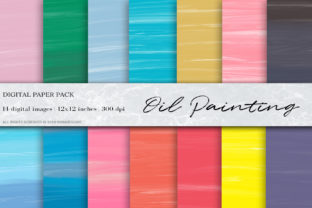
Abstract oil painting backgrounds offer a versatile foundation for a wide range of creative and professional projects. These digital papers, created with the essence of oil painting, bring texture, color, and artistic depth to any design or production process. Whether you're working on scrapbooking, cardmaking, or branding materials, these backgrounds can enhance your workflow by providing a unique visual element that stands out.
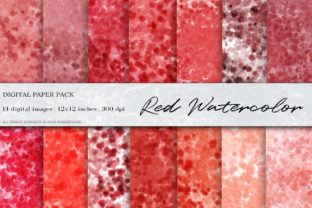
Designed as a set of 14 digital papers, each measuring 12x12 inches in JPG format at 300dpi, these abstract oil painting backgrounds are optimized for high-quality printing and digital use. Their resolution ensures clarity and detail, making them suitable for both physical and digital applications. The variety of abstract designs allows for flexibility, enabling users to choose the perfect background that aligns with their project's aesthetic and functional needs.
Integrating Abstract Oil Painting Backgrounds into Your Workflow
Understanding how to integrate abstract oil painting backgrounds into your workflow is essential for maximizing their value. These backgrounds can be used at different stages of a project, from initial concept development to final execution. For example, during the brainstorming phase, they can serve as inspiration for color schemes, compositions, or thematic elements. In the design phase, they can act as a base layer, adding visual interest without overwhelming other elements.
When working on a project that involves multiple design layers, such as a business card or invitation, abstract oil painting backgrounds can provide a subtle yet impactful backdrop. This helps maintain visual balance while allowing other design elements—like text or graphics—to take center stage. By using these backgrounds strategically, you can ensure consistency across different materials and platforms.
Practical Use Cases for Abstract Oil Painting Backgrounds
The versatility of abstract oil painting backgrounds makes them ideal for a broad spectrum of applications. Here are some common use cases where they can be particularly effective:
- Scrapbooking: Add a dynamic and artistic touch to your pages by using these backgrounds as a base for photos, journaling, and embellishments.
- Cardmaking: Create eye-catching greeting cards, invitations, or thank-you notes by incorporating these backgrounds into your designs.
- Planner Stickers: Use them as a background for custom stickers that add personality and creativity to your planner or bullet journal.
- Business Cards and Logos: Incorporate these backgrounds into logos or business cards to create a memorable and visually appealing brand identity.
- Wrapping Paper and Packaging: Design unique wrapping paper or product packaging that reflects a personal or brand aesthetic.
- Decorative Projects: Apply them to furniture, jewelry, or home decor items to add an artistic flair.
These backgrounds are not limited to just one type of project. They can be adapted to suit various creative needs, making them a valuable addition to any designer’s or creator’s toolkit.
Preparing and Organizing Abstract Oil Painting Backgrounds
To ensure smooth integration into your workflow, it's important to prepare and organize these digital papers effectively. Start by downloading and saving the files in a dedicated folder. Label each file clearly based on its design or color scheme to make it easier to locate when needed.
Consider creating a separate folder for each project or application. For instance, if you’re working on a wedding-related project, you might want to keep those backgrounds separate from those used for birthday cards or business materials. This organization helps maintain efficiency and reduces the risk of confusion or duplication.
Additionally, when using these backgrounds in design software, make sure to adjust settings like layer opacity or blending modes to achieve the desired effect. Experimenting with different techniques can help you discover new ways to incorporate these backgrounds into your work.
Compatibility and Usability Considerations
Before using abstract oil painting backgrounds in your projects, consider their compatibility with the tools and platforms you're working with. Since they are available in JPG format, they are widely supported by most design software, including Adobe Photoshop, Illustrator, Canva, and more. This compatibility ensures that you can easily import and manipulate them within your preferred workflow.
It's also important to check the resolution and dimensions of the files to ensure they meet the requirements of your project. A 300dpi resolution is ideal for print, while the 12x12 inch size offers flexibility for various applications. If you're using these backgrounds for digital purposes, such as web design or social media posts, you may need to resize them accordingly while maintaining quality.
Enhancing Creativity and Consistency
Abstract oil painting backgrounds can play a key role in enhancing both creativity and consistency across your projects. By using a cohesive set of backgrounds, you can maintain a unified look and feel throughout different materials, whether they're for personal use or professional branding.
For example, if you're designing a series of wedding invitations, using a consistent set of abstract backgrounds can help reinforce the theme and create a sense of continuity. Similarly, if you're creating content for a blog or social media platform, these backgrounds can serve as a visual anchor that ties your content together.
Moreover, these backgrounds can inspire new ideas and approaches. Their abstract nature encourages experimentation, allowing you to explore different color combinations, textures, and layouts. This creative freedom can lead to more innovative and engaging results.
Long-Term Use and Value
Investing in a set of abstract oil painting backgrounds can provide long-term value, especially if you're involved in regular creative or design work. These digital papers can be reused across multiple projects, reducing the need to create new backgrounds from scratch each time.
Additionally, as your creative needs evolve, you can continue to find new ways to incorporate these backgrounds into your work. Whether you're expanding your product line, launching a new project, or simply looking for fresh inspiration, these backgrounds can remain a valuable resource.
By treating these backgrounds as part of your ongoing creative toolkit, you can maximize their utility and ensure they contribute meaningfully to your workflow over time.